

The True Cost of Downtime: How Outages Impact Revenue, Reputation, and Retention

Quick Summary
Downtime disrupts more than just systems—it disrupts your business. From lost revenue and productivity to reputational harm, the true cost of downtime goes beyond immediate numbers.
Instatus helps you minimize these risks through proactive monitoring, clear communication, and customizable status pages. With real-time updates, automated alerts, and seamless integrations, Instatus keeps your team and customers informed every step of the way.
Why Listen to Us?
At Instatus, we’ve helped thousands of businesses build transparency and trust during outages. Our customizable status pages and monitoring integrations empower companies to communicate quickly, reduce confusion, and maintain customer confidence even when systems go down.
With this experience, we’ll help you understand the real cost of downtime—and show you proven ways to mitigate it.
Understanding Downtime
What Is Downtime?
Downtime is the period when a system, service, or application is unavailable or non-functional. For businesses, even brief interruptions can halt operations, delay deliverables, and harm reputation.
Types of downtime include:
- Planned outages: Scheduled maintenance or upgrades. Communicating proactively through an Instatus status page helps minimize frustration.
- Unplanned outages: Unexpected disruptions due to software bugs, hardware failure, or cyberattacks—often the most expensive type.
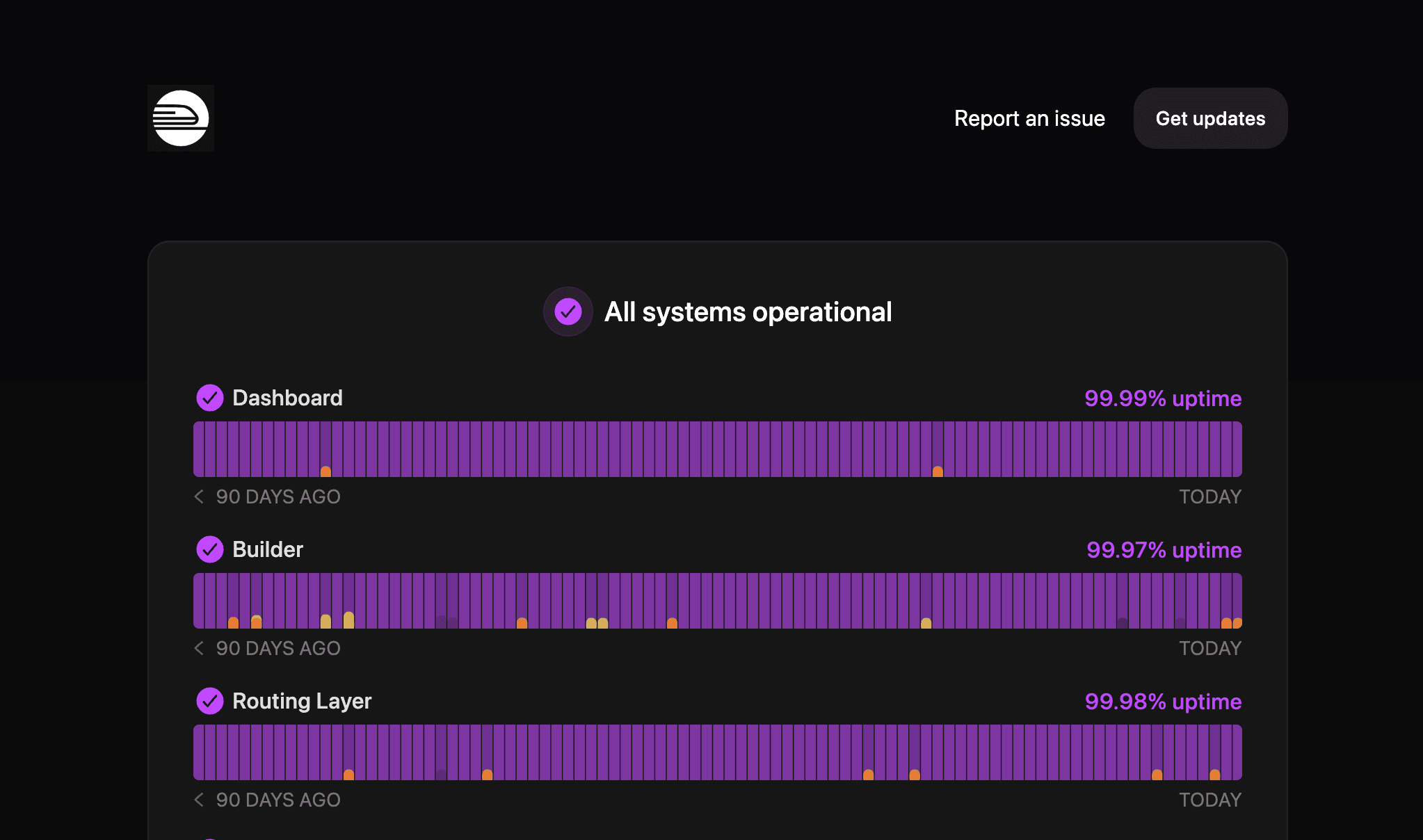
Common causes of downtime in SaaS and IT systems
- Hardware Failures: Physical components like servers, storage systems or networking hardware can fail due to aging, overheating or unexpected malfunctions.
- Software Issues: Bugs, failed updates or software misconfigurations can lead to downtime. Poorly tested updates or compatibility issues between systems can result in unexpected outages.
- Cybersecurity Threats: Cyberattacks, such as Distributed Denial of Service (DDoS) attacks, ransomware or data breaches can cause significant downtime.
- Network Issues: Problems with internet service providers, DNS failures, or overloaded networks can cause connectivity issues.
- Third-Party Failures: Many businesses rely on third-party services for various aspects of their operations, such as cloud hosting, payment gateways or external APIs. If one of these third-party services experiences downtime it can affect your downtime.
- Human Error: Misconfigurations, accidental deletions, or oversight during deployments can lead to service interruptions.
- Power Outages: Electrical failures, whether localized or widespread, can bring systems down if backup power solutions aren’t in place.
How to Calculate the Cost of Downtime
A simple way to estimate the cost of downtime:
Cost of Downtime = Revenue per Hour × Downtime Duration + Mitigation Costs
- Downtime Duration: The length of time the system is unavailable or affected.
- Revenue per Hour: The average revenue generated per hour by the business.
- Mitigation Costs: Expenses incurred to address the downtime, such as repairs, additional labor, or customer support.
But the true cost extends further. It includes:
- Lost productivity
- Customer churn
- Reputational and compliance damages
Example Calculation
A SaaS company earning $150,000 MRR faces a 2-hour outage:
- Revenue per Hour: $150,000 ÷ 720 = $208/hour
- Mitigation Costs: $500 (IT overtime + support tickets)
- Total Cost: (2 × $208) + $500 = $916
What Is the Average Cost of Downtime?
According to multiple 2024 industry studies:
- IT Services: $5,600–$23,750 per minute
- Manufacturing: $260,000 per hour
- Healthcare: $636,000 per hour
- Retail: Up to $1.1 million per hour
- Telecom: About $2 million per hour
- Energy: Around $2.5 million per hour
Every minute counts.
5 Major Ways Downtime Costs Businesses
1. Lost Revenue and Rising Costs
Every minute offline equals missed transactions and expensive recovery efforts. Beyond direct losses, companies often face legal costs, SLA penalties, and overtime labor to restore services.
Example: A retailer making $10,000/hour loses $240,000 during a 24-hour outage—before factoring in recovery costs.
2. Customer Churn and Lost Trust
Customers expect reliability. Frequent or poorly handled outages drive them toward competitors. Even if the system comes back online, rebuilding credibility can take months.
- Clear, honest communication during incidents—via status pages or email alerts—helps maintain trust.
- Transparency is often more valuable than perfection.
3. Reputational Damage
A single outage can go viral. Negative reviews and social media backlash can linger far longer than the outage itself, making it harder to attract new customers. Consistent communication using Instatus ensures your side of the story is heard first.
4. Regulatory and Compliance Risks
In industries like healthcare or finance, downtime can trigger compliance violations and regulatory fines (e.g., under GDPR or HIPAA). Even if no data is lost, exceeding SLA limits can lead to contract penalties or refunds.
5. Productivity and Operational Disruption
When systems fail, employees can’t work—and productivity halts.
- A 50-person company paying $30/hour loses $1,500 every hour of downtime in wages alone.
- IT teams shift from innovation to firefighting.
- Support teams get overwhelmed by repetitive “Is it fixed yet?” tickets.
Tools for Tracking and Estimating Downtime Costs
Accurate tracking of downtime costs requires the use of reliable tools to monitor outages, measure their duration, and analyze their impact.
Here are some tools and strategies we recommend:
- Monitoring Tools: Tools like Instatus provide real-time visibility into system performance and outages. With a customizable status page, businesses can track incidents, alert teams, and communicate with customers to minimize the impact of downtime.
- Incident Management Systems: Software like PagerDuty or Opsgenie helps document incidents, calculate downtime duration, and track associated costs.
- Financial Analytics Platforms: Tools like QuickBooks or Xero can help estimate revenue per hour based on historical financial data.
- Downtime Cost Calculators: Many online calculators allow businesses to input their revenue, downtime, and mitigation costs for quick estimates.
How to Reduce the Cost of Downtime
1. Implement Proactive Monitoring
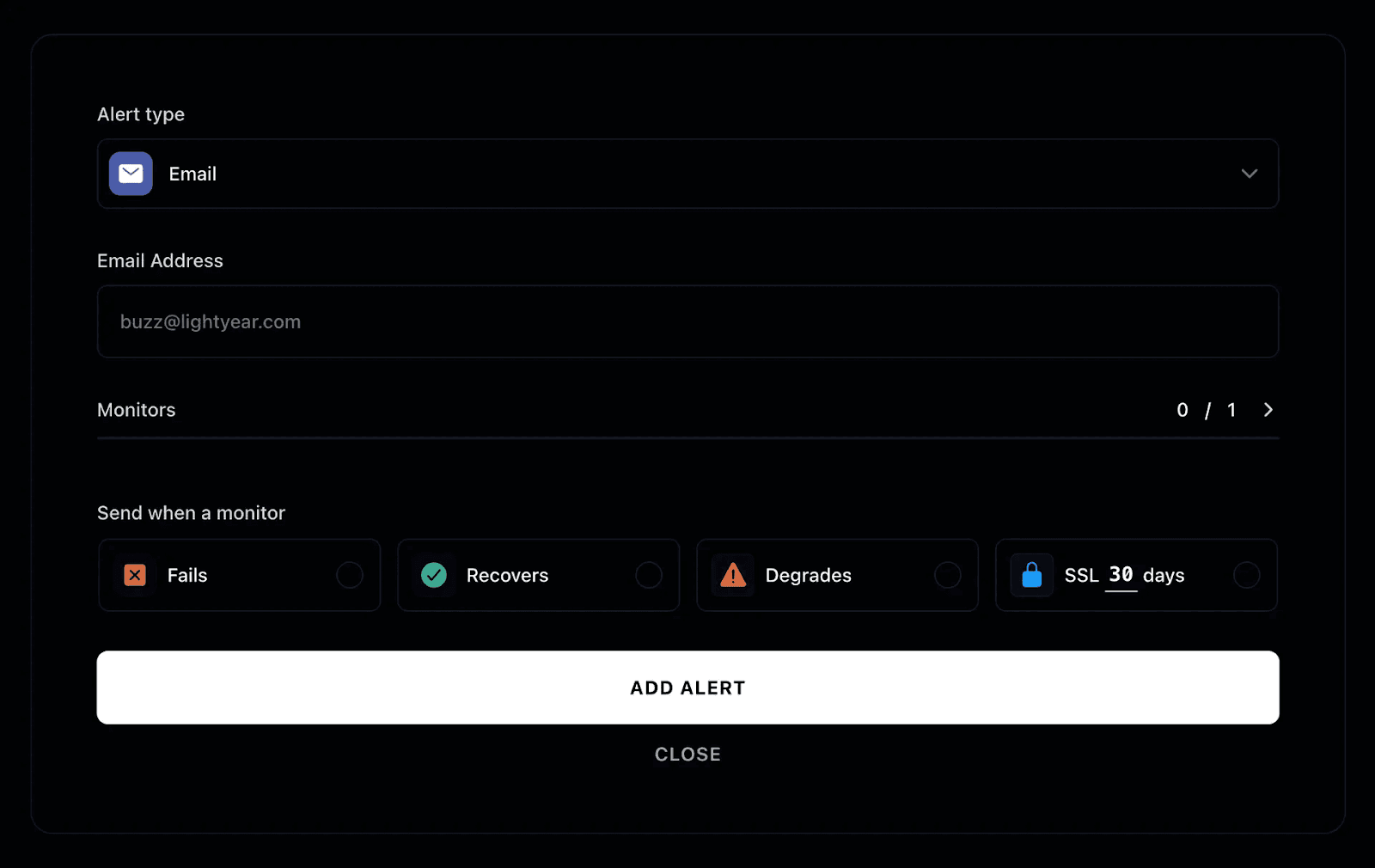
Detect issues before customers notice them. Instatus offers real-time monitoring with automated alerts across website, SSL, and API endpoints.
- Real-time alerts for performance drops or outages
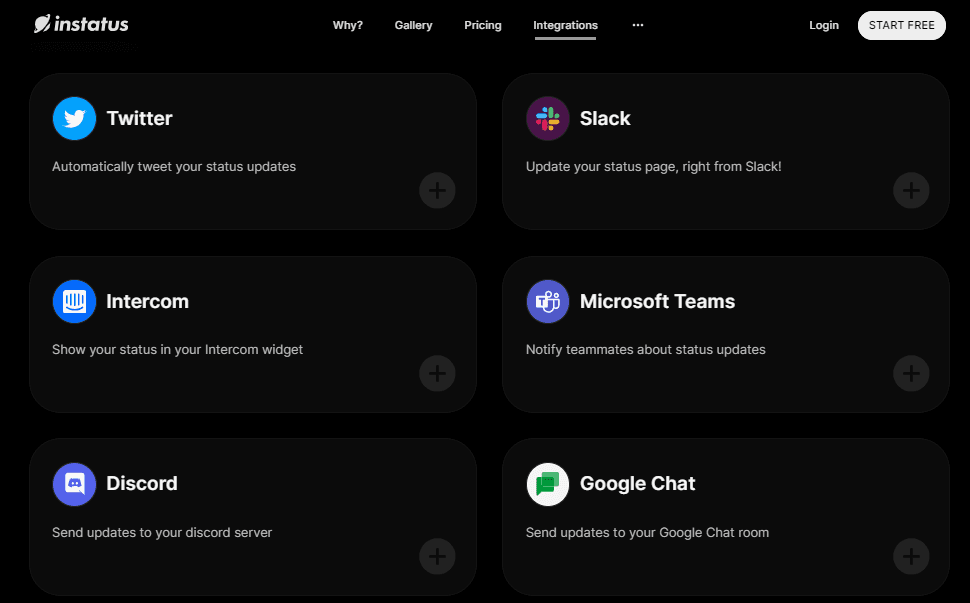
- Integrations with Slack, Microsoft Teams, and Discord for instant notifications
- Unified monitoring through tool integrations
2. Maintain Transparent Communication
Silence erodes trust. A clear communication plan reduces panic and keeps customers loyal.
- Live status pages: Update users in real time.
- Automated notifications: Send updates through email, SMS, or Slack.
- Post-incident reviews: Summarize the root cause and prevention steps to show accountability.
3. Develop an Incident Response Plan
Prepared teams recover faster.
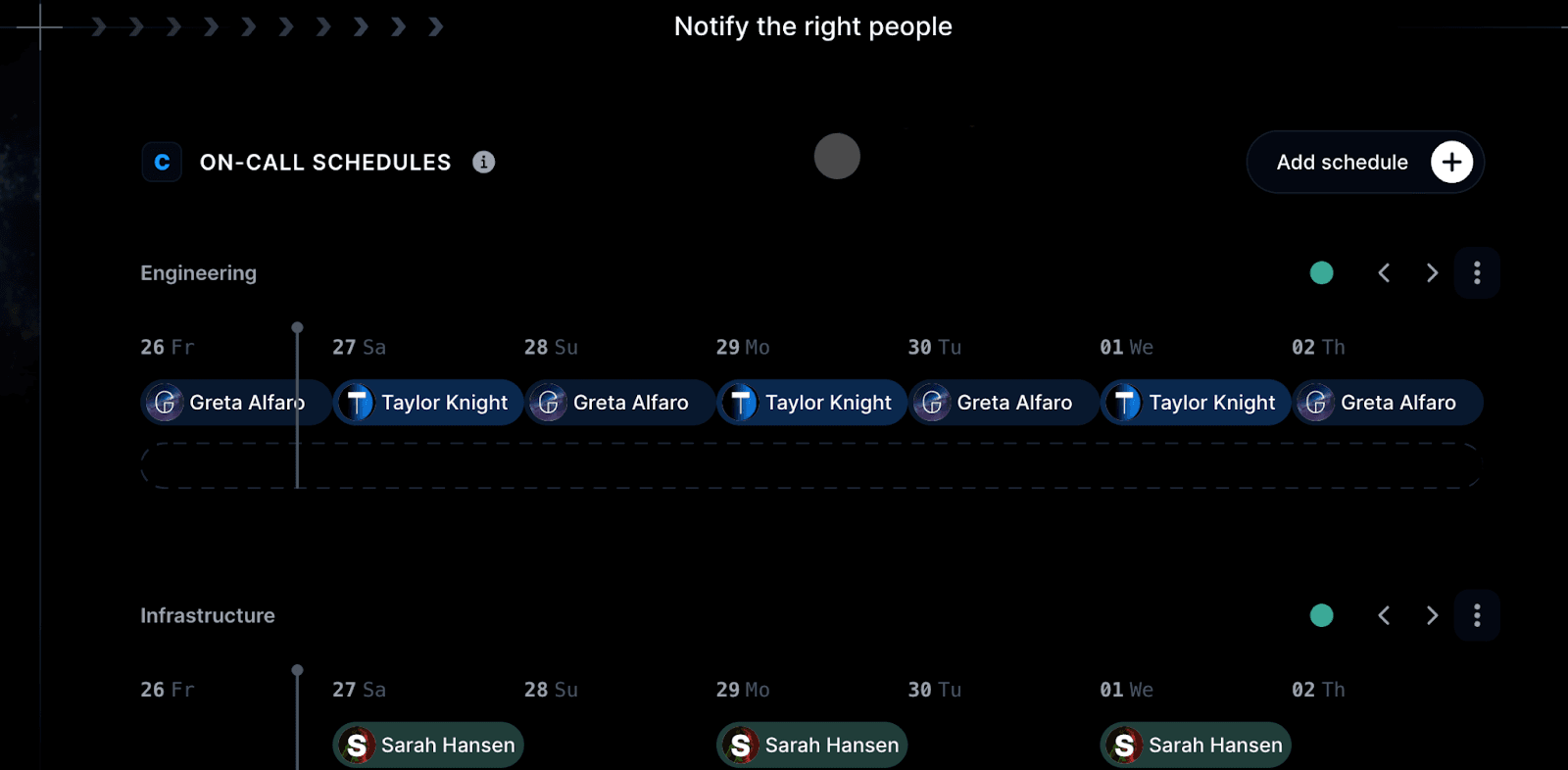
- Define clear roles and responsibilities.
- Set escalation procedures for different severity levels.
- Conduct post-incident reviews to improve over time.
- Practice downtime drills to ensure teams know how to respond.
4. Build System Redundancy and Recovery Plans
Investing in redundancy is cheaper than recovering from total failure.
- Failover mechanisms: Automatically switch to backup systems.
- Geographic redundancy: Use multiple data centers across regions.
- Regular backups: Automate data recovery using cloud services like AWS or Azure.
- Documented DR plans: Define how to restore service step by step.
5. Keep Systems Updated
Prevent issues before they occur. Regular maintenance reduces the likelihood of unplanned downtime.
- Use automated patching tools.
- Test new releases in staging environments first.
- Track performance with Instatus monitoring dashboards during and after updates.
Challenges in Managing Downtime
Even with preparation, downtime management has challenges:
- Accurate cost estimation can be complex.
- Budget vs. reliability trade-offs are ongoing.
- Root cause analysis requires solid monitoring.
- Evolving threats—from cyberattacks to API failures—demand constant vigilance.
Minimize Downtime Costs with Instatus
Downtime doesn’t have to be chaotic or costly. With proactive monitoring, transparent communication, and smart redundancy planning, you can reduce both the frequency and the financial impact of outages.
Instatus helps you achieve exactly that—keeping your customers informed and your business resilient.
Start your free trial today → dashboard.instatus.com/onboarding

Get ready for downtime
Monitor your services
Fix incidents with your team
Share your status with customers